Moving to Da Nang Checklist – Your First Week (2026)
Your first week in Da Nang comes down to six jobs: make sure your visa covers the stay you're planning, get a local SIM, sort out cash, install Grab, confirm your temporary residence is registered, and, if you're arriving in the rainy season, prepare for heavy rain. Everything else can wait until week two.
The first-week checklist at a glance
| When | Task | Quick tip |
|---|---|---|
| Before you fly | Check visa rules for your passport | Rules change; confirm with official sources |
| Day 1 | Get from the airport to your accommodation | Book in the Grab app, match the plate number |
| Day 1 | Buy a local SIM | Official carrier store, not a beach kiosk |
| Day 1–2 | Temporary residence registration | Your landlord files it; bring your original passport |
| Day 2 | Get cash | Withdraw larger amounts less often to save on fees |
| Day 2–3 | Stock up on groceries | Supermarket for basics, markets for fresh food |
| Week 1 | Prepare for the rain (October–December) | Raincoat, 4G backup, a way to dry clothes |
| Week 1 | Find your people | Facebook groups, pickleball, English-language services |
Before you fly: visa basics
Visa rules depend on your passport and can change. Check with Vietnam's immigration authorities or your nearest Vietnamese embassy before you travel.
As of September 2026, the Vietnam Tourism website lists the following:
- 45 days visa-free for passport holders from countries including the UK, Germany, France, Italy, Spain, the Nordic countries, Switzerland, Belgium, the Netherlands, Poland and the Czech Republic. The old rule requiring a 30-day gap between visa-free visits has been dropped.
- An e-visa is needed for citizens of the US, Canada, Australia, New Zealand and India, among others. E-visas can be issued for up to 90 days, and processing takes around 3–5 working days.
Vietnam currently has no dedicated retirement or digital nomad visa, and expat guides report that e-visas can't be extended in-country, so long-stayers typically do a "visa run" to Laos or Thailand. Staying 183 days or more in a year may also make you a tax resident; ask a tax professional.
Bring your original passport with a valid visa or entry stamp. Your landlord needs it for registration.
Day 1: arriving and getting a SIM
Getting from the airport
The airport is close to the city centre; AVE in Hai Chau is about 10–15 minutes away by car.
The most common scam is the fake Grab driver at the airport charging three to five times the normal fare. Book inside the Grab app and check that the plate number matches before you get in.
SIM card and internet
A local SIM with around 5 GB of data per day costs roughly 120,000 VND (about 5 USD) per month from Viettel, Vinaphone or MobiFone. Buy it at an official carrier store. Kiosks in beach areas have been known to sell SIMs that are close to expiring.
Keep mobile data as a backup to home internet, especially during storms. Our guide to work-friendly cafés lists places to work when your connection drops.
Day 1–2: temporary residence registration
Vietnamese regulations require a foreigner's place of stay to be declared to the local authorities. In a rental, the landlord normally does this for you.
At AVE, the owner registers each occupant on check-in day. Every person staying needs to show an original passport and a valid visa. If you're renting elsewhere, ask your landlord about it before you move in. A landlord who says it isn't needed is a red flag. For more questions to ask, see how long-term renting works in Da Nang.
Day 2: money and getting around
Cash and ATMs
- Most ATMs let you withdraw 2–3 million VND at a time. HSBC allows up to 10 million VND.
- Foreign cards are often charged 50,000–200,000 VND per withdrawal, so fewer, larger withdrawals save money.
- Cards work in many places, but keep some cash.
Grab and scooters
Grab is the everyday app for rides and food delivery. Watch out for motorbike taxi drivers around the Dragon Bridge and My Khe Beach who quote 20,000–30,000 VND, then demand 150,000–300,000 VND at the end. Use the app and the price is fixed.
The main safety risk is bag and phone snatching from passing motorbikes in tourist areas, so keep your phone away from the roadside.
Day 2–3: groceries and daily supplies
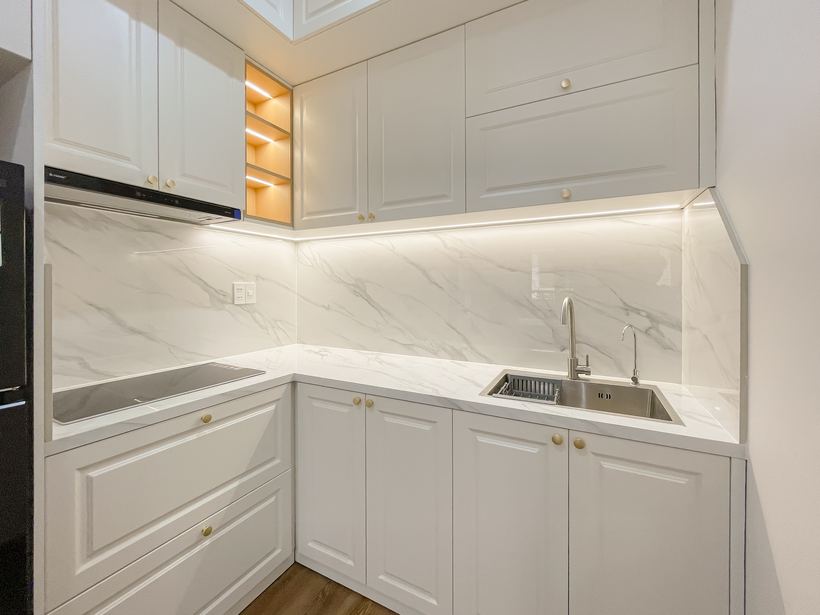
Lotte Mart (6 Nại Nam, Hòa Cường) is where many people do their first big shop. The supermarket is on the 3rd and 4th floors and stocks Vietnamese and imported goods, including Korean products. There's an ATM and a pharmacy inside, and it's open roughly 8:00–22:00. From AVE it's a 1–2 minute walk.
For Western products, try MM Mega Market in Cam Le or MOONMILK (cheese, ground coffee, craft beer). For fresh produce, Han Market (119 Trần Phú) is a favourite daily market, open roughly 6:00–19:00. Con Market is the biggest in the city, with a busy street-food area from mid-afternoon.
Day 3–4: health and emergency contacts
Save these before you need them:
- Vinmec Da Nang hospital, on 30 Tháng 4 street in Hòa Cường. JCI-accredited, with 24/7 emergency care and support for international patients. Hotline: 0236 3711 111.
- Your landlord's phone number. At AVE, the owner lives in the building.
Rainy season prep (October to December)
Arriving between October and December? This matters most. October and November are the wettest months.
- The numbers: average rainfall is about 650 mm in October and 430 mm in November.
- Recent history: Typhoon Bualoi flooded several central streets 30–70 cm deep in September 2025.
- The 2026 outlook: Vietnam's national hydro-meteorological forecast centre (April 2026) expects September–October rainfall to be 5–20% below average, but central Vietnam can still get heavy rain spells, and late-season storms tend to move south into the region. Below average isn't the same as dry.
What to do:
- Buy a proper raincoat or poncho, especially if you'll ride a scooter.
- Keep 4G data and a charged power bank in case storms cut the power.
- Plan how you'll dry clothes. Laundry dries slowly in the rain; a dryer or dehumidifier helps.
- Ask your landlord how the street copes in heavy rain. A higher floor helps too.
- Follow storm warnings and avoid the beach on rough days. Waves are big in October and November.
- Have indoor plans: the Museum of Cham Sculpture (7:00–17:00), indoor pickleball at Sông Hàn Pickleball (17 Lê Duẩn), or HI4's 24/7 workspace.
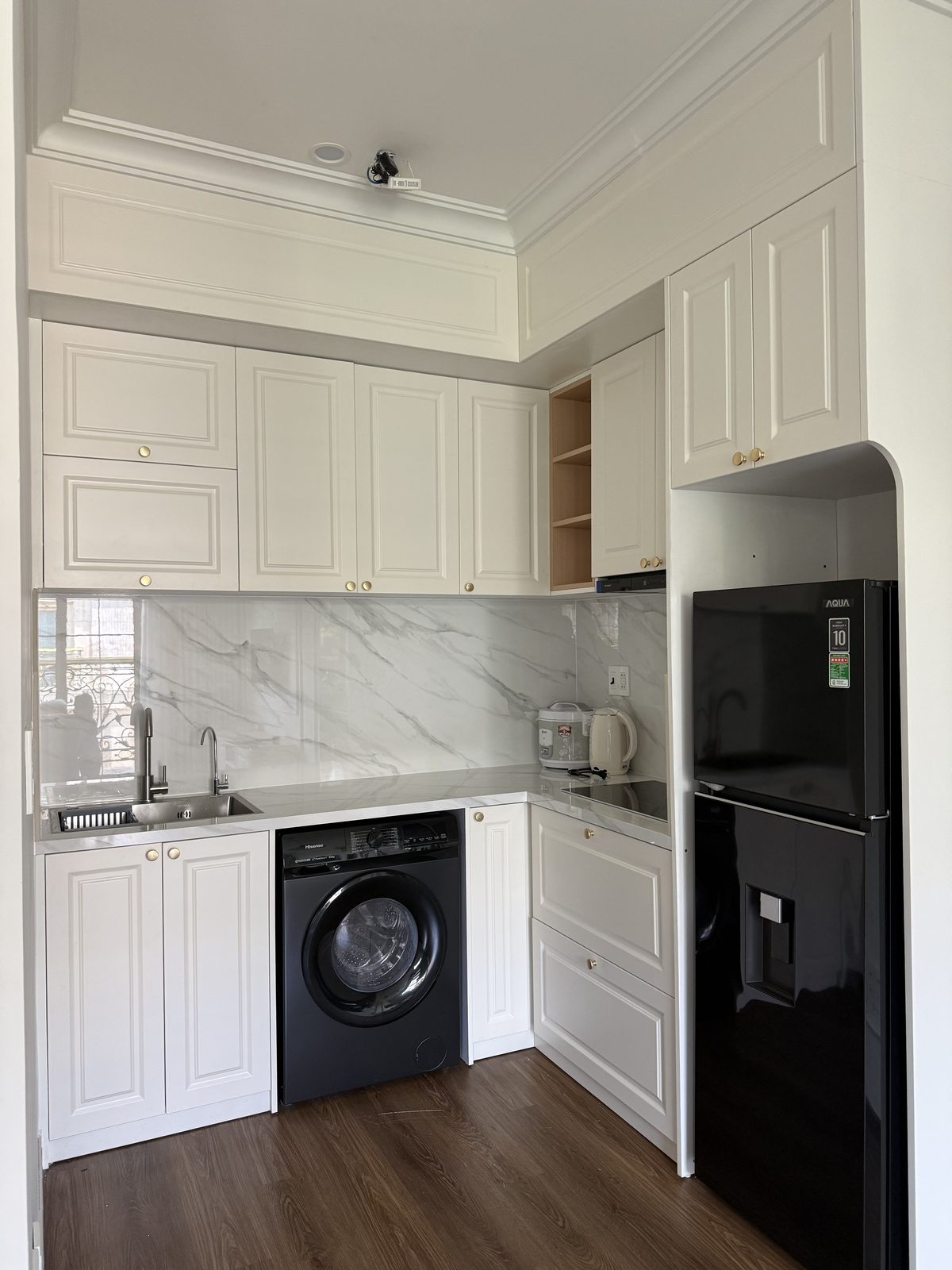
At AVE, every unit has its own washer-dryer, and the owner reports that the lane doesn't flood.
Week 1: find your people
Facebook groups such as Expats in Da Nang City (around 99,000 members) and Da Nang & Hoi An Expats (around 46,000) are where people ask questions and meet up. Pickleball is a popular way to meet people. On Sundays, Da Nang Cathedral holds Mass in English at 10:00, and the Da Nang International Fellowship holds an English-language service at 11:00.
Where to stay after week one
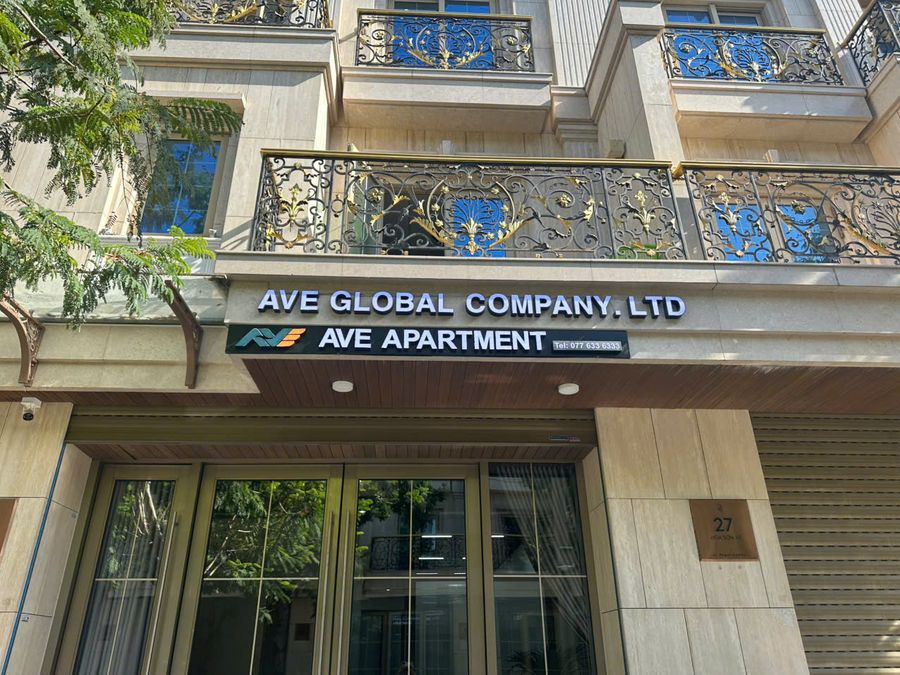
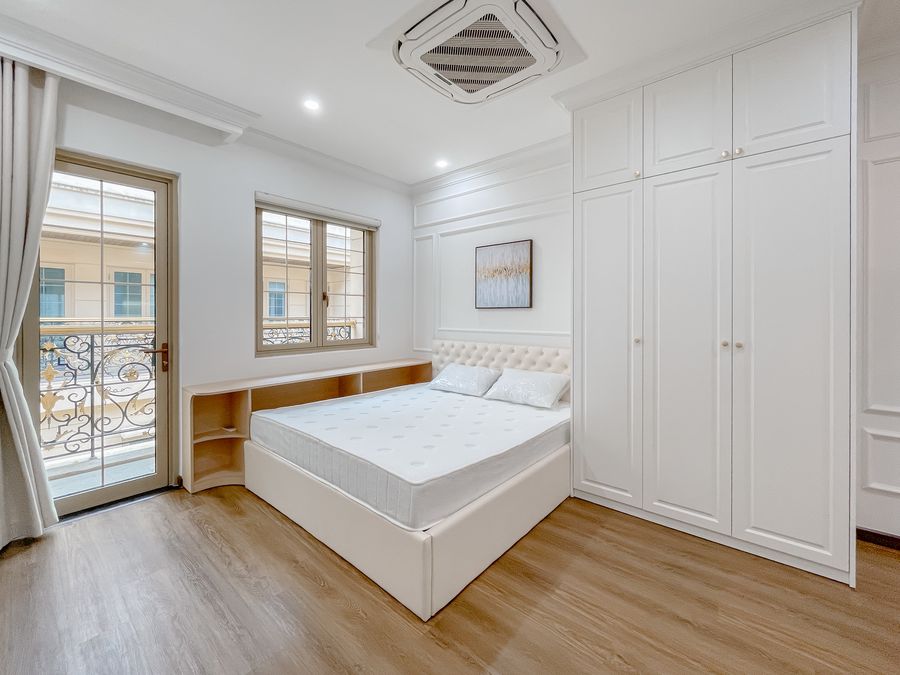
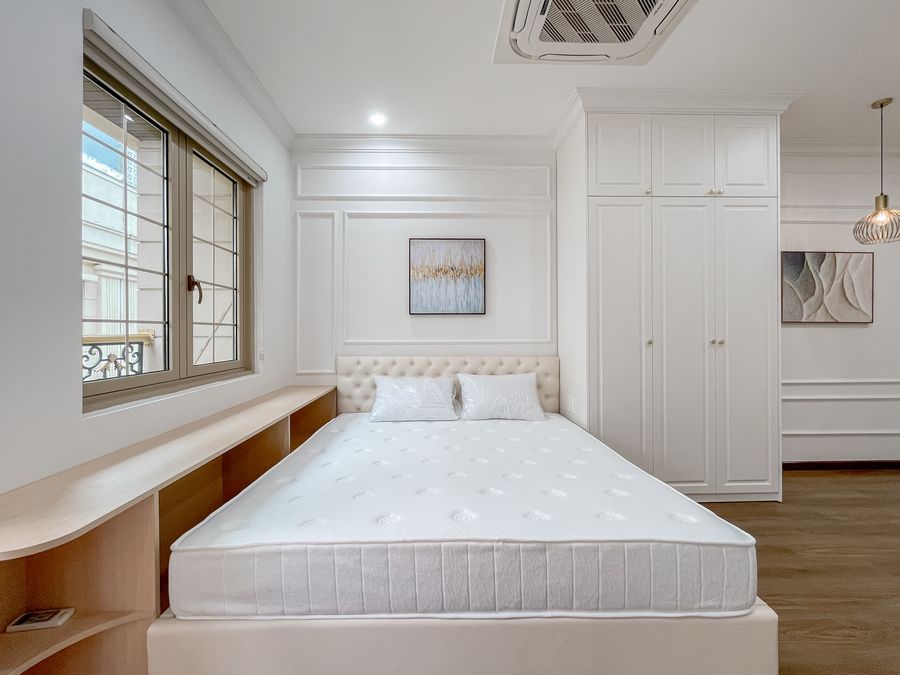
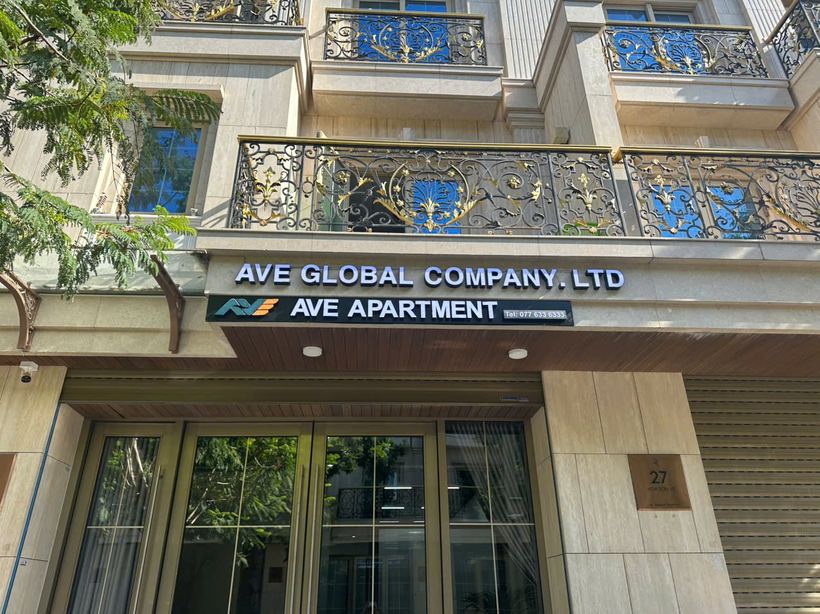
Many people start in a hotel, then move somewhere monthly. AVE Apartment is a new five-unit building in Hai Chau, 150 m from the Han River, with leases from one month, weekly cleaning included, a bilingual Vietnamese–English contract, and viewings any day from 6:00 to 23:00. If you're travelling with a dog, the 4th-floor 1-bedroom with its private rooftop garden is the only unit that accepts one.
| Unit | Size | Rent / month | Status |
|---|---|---|---|
| Studio 2B | 50 m² | 14,000,000 VND (~$540) 13,000,000 VND (~$500) / month on a 6+ month lease | Available now |
| Balcony studio 3A | 55 m² | 16,000,000 VND (~$615) 15,000,000 VND (~$575) / month on a 6+ month lease | Available now |
| Studio 3B | 50 m² | 14,000,000 VND (~$540) 13,000,000 VND (~$500) / month on a 6+ month lease | Available now |
| 4th-floor 1-bedroom | 100 m² | 22,000,000 VND (~$845) 20,000,000 VND (~$770) / month on a 6+ month lease | Available now |
| Balcony studio 2A | 55 m² | 16,000,000 VND (~$615) 15,000,000 VND (~$575) / month on a 6+ month lease | Available from 6 Oct 2026 |
Updated 4 Oct 2026 · Prices in VND. Electricity and water are billed separately (see costs).
FAQ
Do I need a visa to move to Da Nang?
It depends on your passport. Some nationalities get 45 days visa-free, while others, including US, Canadian, Australian and Indian citizens, need an e-visa of up to 90 days. Check with Vietnam's immigration authorities before you travel.
Which SIM card should I get in Da Nang?
Viettel, Vinaphone and MobiFone all offer plans of around 120,000 VND per month with about 5 GB of data per day. Buy from an official store rather than a beach kiosk.
Who registers my temporary residence?
Your landlord normally files it with the local police. At AVE, the owner registers every occupant at check-in; bring your original passport and a valid visa.
Is October a bad time to move to Da Nang?
It's the wettest month (around 650 mm of rain on average) with a risk of storms, but it's manageable with a good raincoat, backup mobile data, a way to dry laundry and a home on a street that doesn't flood.
Where do expats buy groceries in Da Nang?
Lotte Mart in Hòa Cường is popular for everyday shopping and imported goods. MM Mega Market and MOONMILK are good for Western products, and Han Market and Con Market are best for fresh food.